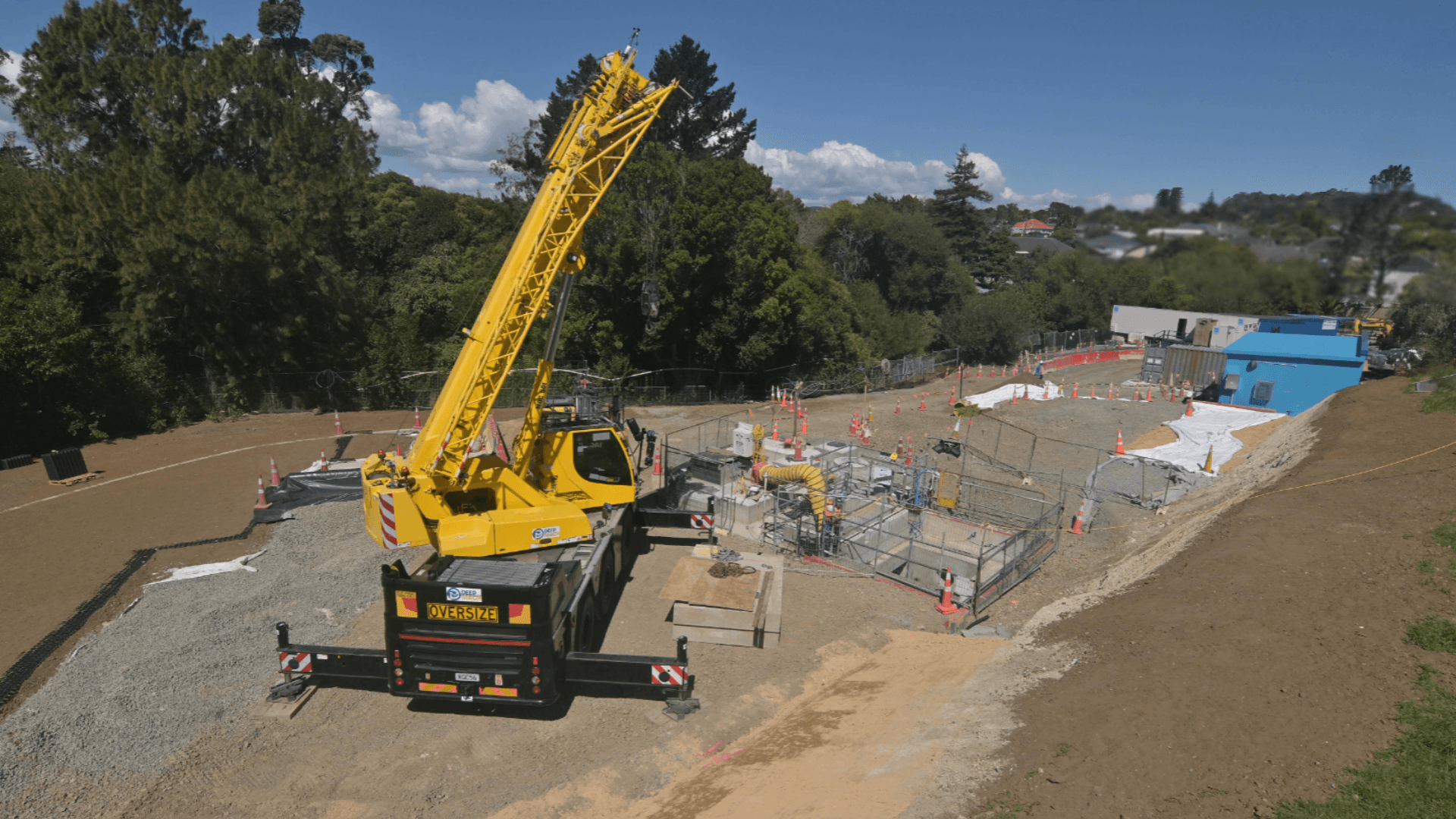
Watercare’s Central Interceptor project hands construction sites back to community
16 April 2026Planting is being done and carparks repainted as Watercare’s Central Interceptor project moves out of its construction sites around Auckland.
The northern half of the 16.2-kilometre wastewater tunnel is on track to go live in mid-late 2026, and work is under way to reinstate and hand the project’s construction sites for this section of the tunnel back to the community.
Environmental advisor Kate Van Dongen works closely with the contractor – Ghella Abergeldie Joint Venture – to track reinstatement activities and says in keeping with our commitment to sustainability throughout design and delivery, materials from some sites have been reused to help enhance others.
“We’ve created habitats for bugs and lizards by reusing pōhutukawa limbs that were removed from our Herne Bay site to create log stacks at our Lyon Avenue site. This site and our Norgrove Reserve site also have rock piles made from some of the basalt from shaft excavations, which provide habitats and shelter for these critters.”
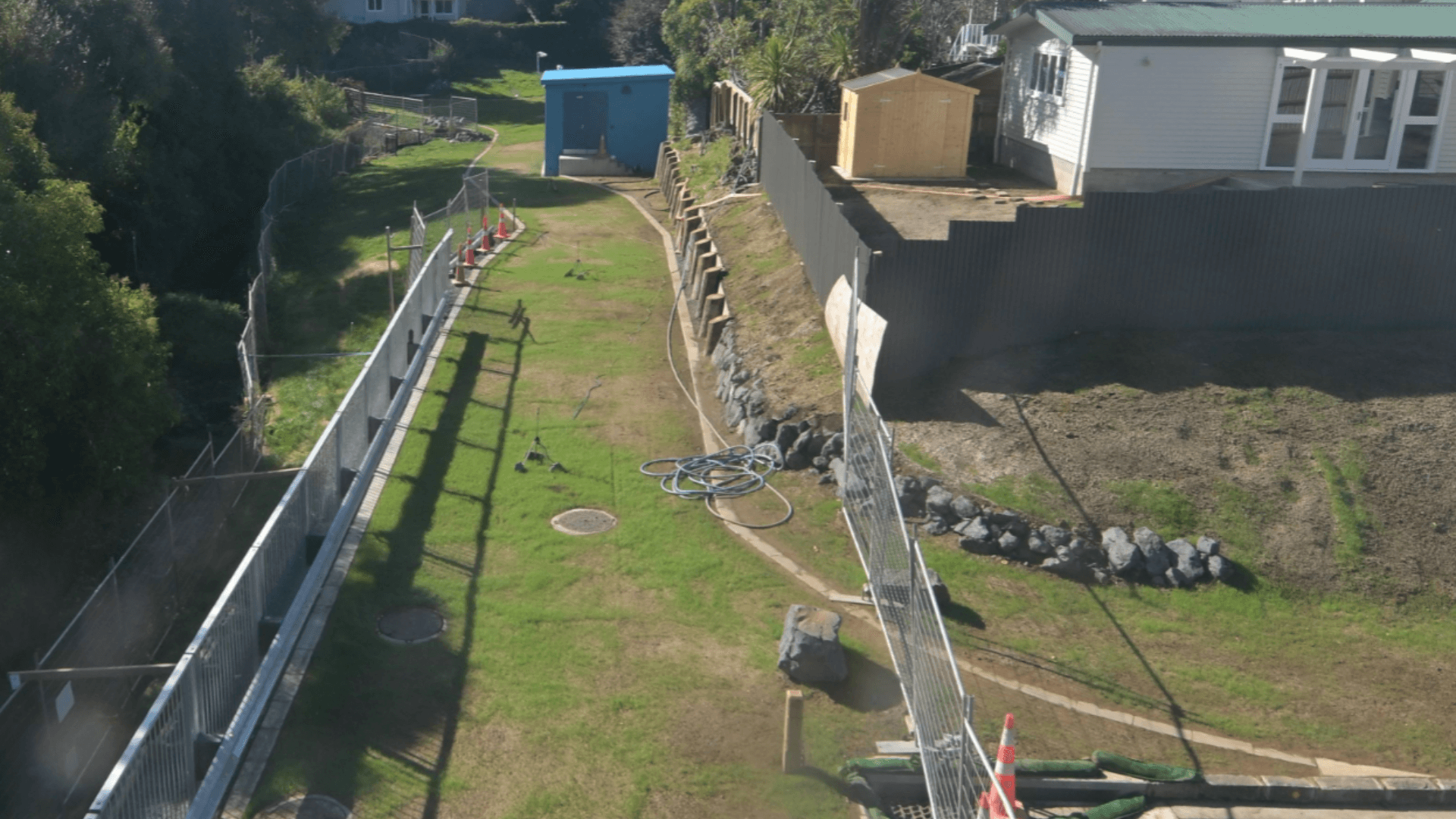
Norgrove site
The first construction site to be completed for the tunnel’s northern section was Walmsley Park in Mt Roskill, which was handed back to Auckland Council in December last year after the public space was reinstated with new planting.
The next three sites to be completed lie along the route of the 1.1-kilometre Link Sewer B, which runs between Rawalpindi Reserve and a shaft near Rocket Park in Mt Albert War Memorial Reserve, where it connects to the main tunnel.
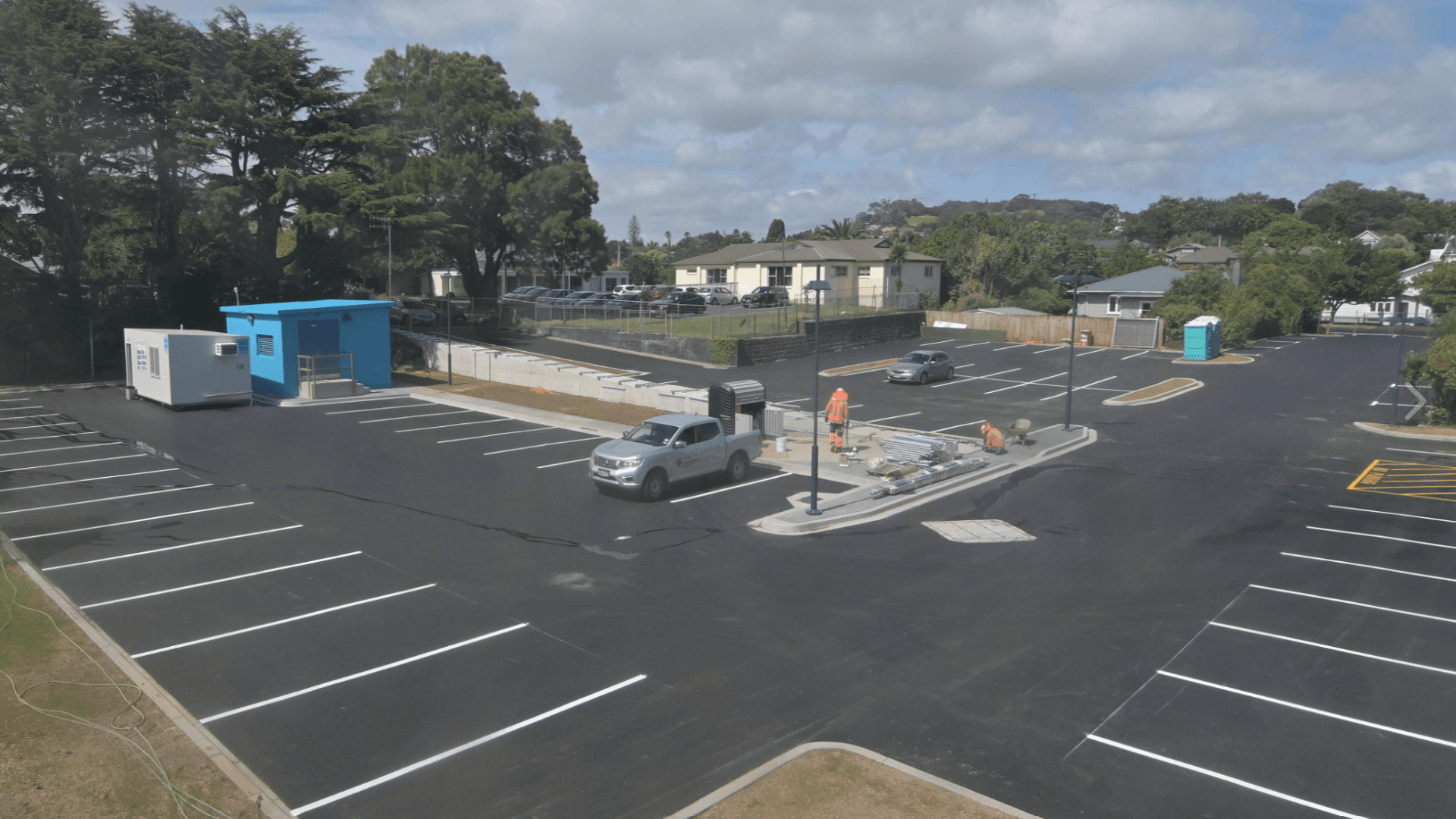
Mt Albert site
The Mt Albert War Memorial Reserve site carpark spaces have been repainted, while the grass cover is growing well in Norgrove Reserve and in Rawalpindi Reserve, the park is being contoured, and grass and trees will be planted soon.
The Lyon Avenue site on the Roy Clements Treeway is nearing the end of its reinstatement work, with planting under way.
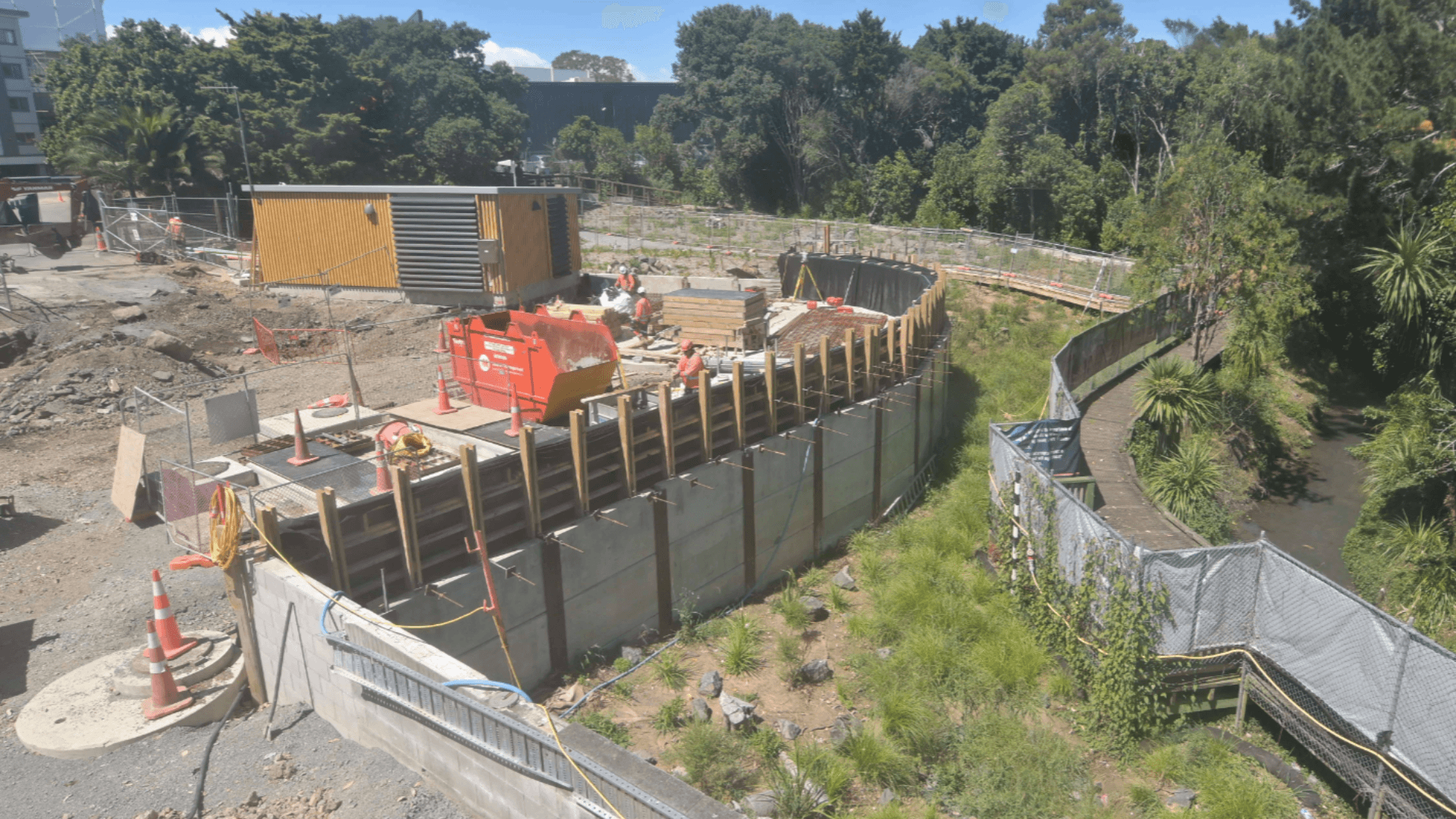
Lyon Ave site
Central Interceptor programme director Morris Taylor says construction activities at sites on Haverstock Road in Sandringham, Western Springs, Tawariki Street – on Watercare land in Grey Lynn – and Point Erin Park, Herne Bay, are expected to be finished by the middle of the year and the sites will be handed over to the reinstatement team.
“The last site to be finished will be the main tunnel site at May Road in Mt Roskill. Wastewater from the shaft in Miranda Reserve in Avondale is already flowing along the new Link Sewer C to May Road and into the southern section of the Central Interceptor tunnel, which went live in February 2025.
“Once the full Central Interceptor tunnel is live, the May Road site’s infrastructure, including a new air treatment facility, will be handed over to our operations team for ongoing maintenance, along with all the new infrastructure at 17 sites across the isthmus.”
Morris says the community and projects neighbours have been very accommodating of the project sites, some of which have been subject to construction activities for five years.
“Construction on this scale creates disruption and we appreciate how patient people have been while we built this essential infrastructure for Auckland. It’s a great feeling to be able to hand these sites back to the local communities.”
Once the Central Interceptor project and associated work in Herne Bay are completed by 2029, they will significantly reduce wet weather overflows into streams along the tunnel catchment and improve water quality at beaches. The infrastructure will also cater for future urban growth and create a more resilient wastewater network.